Quick answer
The most useful nanoblading course questions concern the actual programme: what it teaches, whom it admits, how practical learning works and what successful completion leads to. A technique name, a photograph or a short timetable cannot answer all of those points. Therefore, ask for the current course information before reserving dates.
If you are researching from Belfast, our practical training takes place in Finchley, London. Confirm that location and the complete schedule before arranging travel.
Begin with five questions:
- Which methods does this programme teach?
- What starting background do I need?
- How much attendance and independent work should I plan?
- What practical supervision and feedback are included?
- What is the exact award or certificate?
What do you want the course to help you understand?
Make your learning aim specific. You might want an introduction to a particular method, a clearer understanding of consultation or an assessed qualification route. Those aims do not automatically lead to the same programme. Consequently, explain your goal before comparing course names.
Also, tell us what you have already studied. A relevant qualification or practical background can affect the entry conversation. However, describe the actual training rather than using a broad label such as experienced or complete beginner.
A useful opening question links both points: explain your background and ask which programme matches the learning you want. You can then examine that route in detail, instead of assuming every nanoblading description offers the same teaching and outcome.
Which techniques belong to the programme?
Ask for the current learning outline and the distinction between handheld and machine methods. Our Korean nanoblading programme describes both within five taught days. Other programmes, including EMBO eyeliner training and the separate VTCT microblading route, need their own explanation.
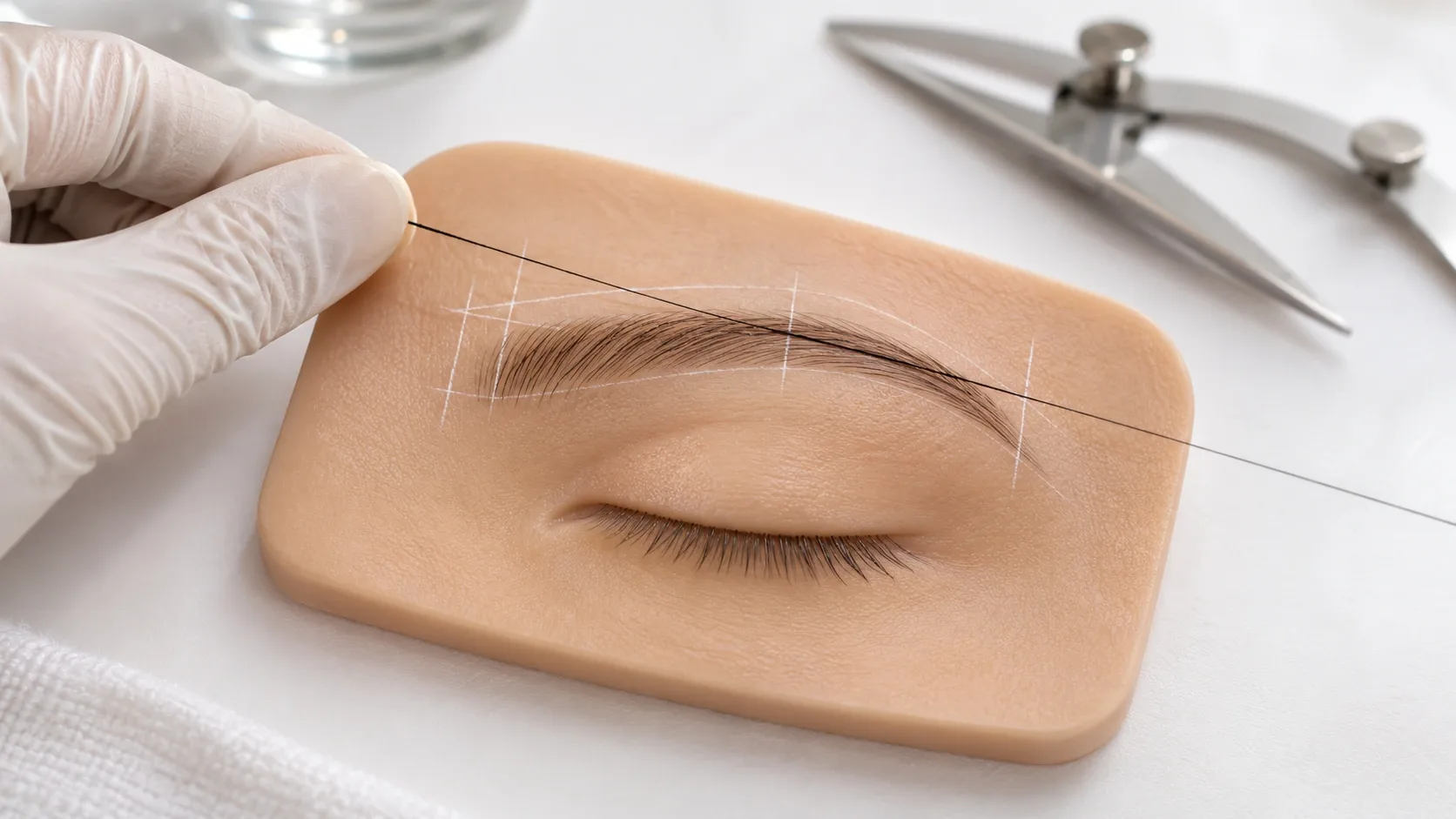
Do not infer a syllabus from a finished brow image. The photograph cannot show how tutors structure learning, what they expect you to practise or how they assess progress. Instead, ask how explanation, demonstration, supervised work and feedback fit together.
This article does not provide practical instructions for an invasive procedure. Any hands-on learning should follow the arrangements of the actual programme. Online research can prepare questions, but it cannot replace course supervision or establish readiness to practise on another person.
What entry background should you confirm?
Ask about the specific programme rather than transferring requirements from a neighbouring course page. Different routes may have different expectations. You need to know the criteria that apply to the course you intend to join.
For example, our VTCT Level 4 microblading route requires applicants to be at least 18 and hold a related Level 3 qualification. That route is distinct from the Korean programme. Being new to microblading does not remove its stated entry requirements.
When you enquire, have the full award title and awarding organisation available. Then ask whether the team needs further information to review your background. It is better to clarify eligibility before making travel commitments than to assume a general course description settles the question.
What does the timetable leave unanswered?
The number of taught days explains attendance, but it may not describe the entire commitment. Therefore, ask about preparation, assignments, case studies and assessment wherever they apply. Also, confirm whether any additional attendance may affect your plans.
Our VTCT route includes six attendance days plus ten case studies and required assignments. Portfolio work, practical assessment and examinations remain part of achieving the qualification. The Korean programme has a separate structure, which you should ask the team to explain directly.
Useful timetable questions include:
- Are all attendance dates confirmed together?
- What work takes place outside taught sessions?
- How do learners receive feedback?
- Which requirements might affect later availability?
Keep the answers together with the course title. A date list without the associated requirements is not a complete study plan.
How will practical work be arranged?
Ask how the programme manages supervised practical learning and any model work. You should understand the learner’s responsibilities, the team’s role and the arrangements for suitability, consent and evidence. Do not organise a practical appointment from a general description.
Also, clarify how tutors explain progression. An exercise on a practice surface does not automatically establish that you can move to work involving a person. Follow the programme’s instructions and ask whenever the next step is unclear.
If practical learning generates photographs or personal records, request the approved handling arrangements. Material collected for learning does not automatically belong in a public portfolio. Keeping that distinction clear supports respectful communication and appropriate evidence management throughout the course.
What exactly happens at completion?
Ask for the full name of the certificate or qualification and the requirements for receiving it. Attendance, short-course accreditation and a regulated award are different matters. Consequently, avoid describing every course outcome simply as becoming qualified.
If you are considering the VTCT Level 4 route, you can check the official awarding-body record. Use that alongside the course team’s explanation of current programme arrangements. Do not attach the VTCT award automatically to a different programme.
For professional plans, discuss the exact proposed training and service scope with your intended insurer. A general certificate description cannot guarantee cover or resolve the requirements for every working arrangement. Keep those checks separate and specific.
What should Belfast learners ask about travel?
First, confirm that practical attendance is in Finchley, London, and request the complete schedule. Regional driving estimates around Belfast concern local journey planning only. They do not describe the full trip to our centre or promise a nearby teaching venue.
Next, compare the attendance timetable with the whole journey, including onward travel within London. If you consider flying, allow for the journey between the airport and Finchley. An airport arrival time is not the same as arrival at the classroom.
Wait for confirmation before committing to arrangements that depend on a particular start or finish time. Also, ask whether any later attendance could affect your plans. Clear course information makes the travel decision more realistic.
How do you turn the answers into a decision?
Create a short comparison note covering the programme’s methods, entry criteria, timetable, practical arrangements and outcome. Then mark anything you still do not understand. This prevents one attractive feature from distracting you from an important unanswered requirement.
Ask a focused follow-up about each gap. For example, you may understand the methods but need clarification about assessment or the award title. A precise question gives the team a clearer starting point than asking whether a course is simply suitable for everyone.
Use the WhatsApp enquiry route when you are ready to discuss the programme. Explain your background and what you need to confirm, so the conversation can support a considered choice.
Frequently asked questions
Should I compare courses only by their number of days?
No. Compare entry, taught scope, independent work, practical arrangements and the exact outcome as well.
Are all brow training certificates equivalent?
No. Ask for the full award title and requirements for the particular programme. Do not infer equivalence from similar course names.
Is the practical venue in Belfast?
Our practical centre is in Finchley, London. Confirm the venue and full attendance schedule before arranging travel.